Join CERP3 for our monthly Education Research, Practice, and Policy Seminar Series. The October Seminar will be held in-person with Seanna Leath, PhD, Associate Professor of Psychological & Brain Sciences at WashU to discuss Black students’ academic and social navigation at predominantly white institutions.
Wednesday, October 7: 9-10am
Seigle Hall, Rm 148
Coffee and Pastries from Comet Coffee Provided
Drawing on a Black feminist duoethnography with her 11-year-old daughter, Dr. Seanna Leath examines how racialized ableism, neurotypical expectations, and ideas about “good” studenthood shape the schooling experiences of gifted Black neurodivergent girls. Through their differing perspectives on shared educational moments, the talk explores how anxiety, sensory overwhelm, and emotional dysregulation can be misread as defiance; how academic success can coexist with masking and significant distress; and how seemingly ordinary expectations around behavior, attendance, and achievement can become sites of struggle. Their experiences invite broader questions about what neuro-affirming, relational, and culturally responsive educational environments might look like when we move beyond asking children to adapt to existing school norms and begin interrogating the norms themselves. The talk will also reflect on the lessons, challenges, and possibilities of bringing research and praxis into closer relationship – including what it means to study Black girlhood, schooling, and wellbeing while simultaneously navigating these systems as a Black mother, scholar, and advocate.
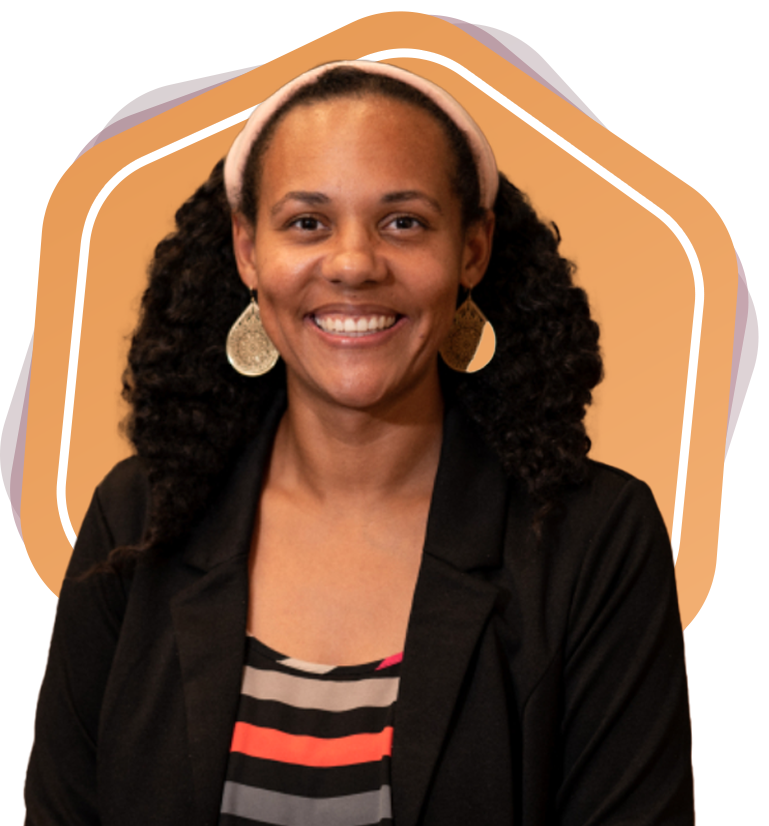
Seanna Leath, PhD is an applied developmental psychologist and community-engaged scholar whose research examines how cultural, social, and structural contexts shape the health, wellbeing, and thriving of Black youth, families, and communities. Grounded in Black feminist thought and developmental science, her work explores how identity, relationships, educational environments, and community systems influence resilience, healing, and opportunity across the lifespan.